

Are you tired of feeling confused about what truly makes a healthy snack? In a world of trendy superfoods, it’s easy to overlook simple, powerful foods that have sustained us for generations. The humble almond is one such food, and understanding its true value can be the key to making effortless, impactful choices for your well-being.
This article cuts through the noise. We will explore the definitive almonds nutrition facts and health benefits, grounded not in hype, but in decades of scientific research. You will discover exactly how this accessible nut can support your heart, stabilize your energy, and contribute to a balanced diet—giving you clear, evidence-based knowledge to feel confident in your nutritional choices.
Almonds Nutrition Facts: A Powerhouse in a Handful
UnUnderstanding the true value of almonds begins with a detailed look at their nutritional profile. Often described as a nutrient-dense food, almonds provide a high concentration of vitamins, minerals, and other beneficial compounds relative to their calorie content. A standard one-ounce serving (approximately 23 almonds or 28 grams) serves as a perfect snack-sized portion to deliver a significant nutritional impact.
Macronutrient Foundation: More Than Just Fat
While often recognized for their healthy fat content, almonds offer a balanced macronutrient profile that underpins their health benefits.
- Healthy Fats: Almonds are predominantly composed of monounsaturated fats (about 9 grams per ounce), specifically oleic acid, the same heart-healthy fat found in olive oil. They also contain polyunsaturated fats (3.4 grams) and a minimal amount of saturated fat (1.1 grams). This fat profile is crucial for nutrient absorption, as fat-soluble vitamins like Vitamin E require dietary fat for the body to use them effectively.
- Plant-Based Protein: With 6 grams per ounce, almonds are a valuable source of plant protein. This contributes to muscle repair, satiety, and stable energy levels.
- Dietary Fiber: Providing 3.5 grams of fiber per serving, almonds support digestive health, help regulate blood sugar, and promote a feeling of fullness. According to a review in Nutrition Reviews, the fiber in nuts like almonds also acts as a prebiotic, feeding beneficial gut bacteria.
Macronutrient Profile of Almonds (Per 1 oz Serving)
A visual breakdown of the core components that make almonds a balanced and satisfying food.
| Macronutrient | Amount (g) | Key Function |
|---|---|---|
| Healthy Fats | 14.2 g | Sustained energy, vitamin absorption |
| Protein | 6 g | Muscle repair, satiety |
| Dietary Fiber | 3.5 g | Digestive health, blood sugar control |
| Carbohydrates | 6.1 g | Energy |
A Closer Look at Essential Micronutrients
The vitamin and mineral content in almonds is where their “powerhouse” status is truly earned. The following table details the key contributors based on data from the USDA FoodData Central database.
| Nutrient | % Daily Value (per 1 oz) | Why It Matters for Your Health | Evidence-Based Insight |
|---|---|---|---|
| Vitamin E | 37% | A potent antioxidant that shields your cells from damage. | Primarily as alpha-tocopherol, it protects cell membranes from oxidative stress, which is linked to chronic disease. A study in The American Journal of Clinical Nutrition highlighted its role in supporting immune function. |
| Magnesium | 19% | Supports muscle function, nerve health, and blood sugar control. | Critical for over 300 biochemical reactions, including energy production and glucose metabolism. Many adults fall short of their magnesium needs, making almonds a strategic dietary choice. |
| Riboflavin (B2) | 15% | Essential for turning food into energy. | Acts as a coenzyme in the breakdown of fats, drugs, and steroids. |
| Phosphorus | 13% | Important for strong bones and teeth. | Works alongside calcium to build and maintain bone structure. |
| Niacin (B3) | 14% | Aids in cellular metabolism and DNA repair. | Supports the function of over 200 enzymes in energy transfer reactions. |
| Thiamin (B1) | 10% | Helps the body convert carbohydrates into energy. | Vital for proper neural and cardiac function. |
| Vitamin B6 | 10% | Crucial for protein metabolism and brain development. | Involved in neurotransmitter synthesis and cognitive development. |
| Folate | 8% | Vital for cell growth and the formation of red blood cells. | Especially important during periods of rapid growth, such as pregnancy. |
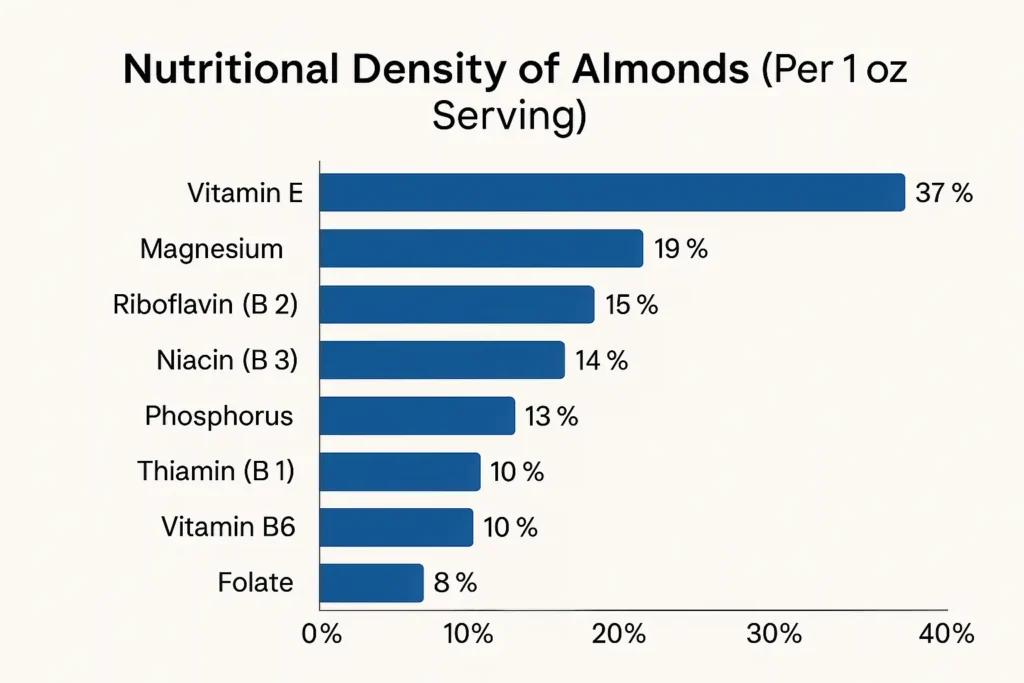
Source: USDA FoodData Central. (2024). Nuts, almonds. fdc.nal.usda.gov
Beyond the Basics: Bioactive Compounds
The nutritional story of almonds extends beyond classic vitamins and minerals. They are a source of bioactive compounds like:
- Polyphenols: These antioxidant compounds are concentrated in the brown skin of the almond. Research in the Journal of Agricultural and Food Chemistry has shown that these polyphenols can work synergistically with Vitamin E to amplify antioxidant defense.
- Phytosterols: Plant compounds that have a structure similar to cholesterol. They compete for absorption in the digestive tract, thereby helping to lower blood LDL-cholesterol levels.
In conclusion, the one-ounce serving of almonds is a testament to the concept of nutritional efficiency. It delivers a synergistic blend of macronutrients, a broad spectrum of essential micronutrients, and unique bioactive compounds, all of which contribute to its wide-ranging health benefits. Understanding this foundational profile allows for a deeper appreciation of why almonds are a consistent recommendation in evidence-based dietary patterns.
2. Fortifies Heart Health
The cardioprotective effects of almonds are among the most well-documented benefits, supported by decades of research.
- Cholesterol Management: Numerous systematic reviews and meta-analyses, including one in the Journal of Nutritional Science, consistently conclude that almond consumption significantly reduces total cholesterol and low-density lipoprotein (LDL or “bad”) cholesterol without affecting high-density lipoprotein (HDL or “good”) cholesterol. This is primarily attributed to their high content of monounsaturated fats and plant sterols, which compete with dietary cholesterol for absorption.
- Improved Endothelial Function and Blood Pressure: The antioxidants in almonds, particularly the flavonoids (e.g., catechin, epicatechin) concentrated in the skin, work synergistically with Vitamin E to reduce oxidative stress and inflammation in the blood vessels. This improves endothelial function—the ability of arteries to dilate properly. Furthermore, the significant magnesium content in almonds plays a direct role in regulating blood pressure. A meta-analysis in Nutrition, Metabolism and Cardiovascular Diseases linked nut consumption to lower systolic blood pressure.
3. Provides Powerful Antioxidant Protection
Almonds act as a formidable defense system against oxidative damage at the cellular level.
- Dual-Action Antioxidant System: The antioxidant capacity of almonds is a team effort. The high concentration of fat-soluble Vitamin E (alpha-tocopherol) neutralizes free radicals in cell membranes, while the polyphenols in the brown skin combat oxidative stress in the watery parts of cells and bloodstream. A study in the Journal of Agricultural and Food Chemistry found that the polyphenols in almond skin and Vitamin E work together, where the polyphenols recycle and regenerate Vitamin E, enhancing its protective effects.
- Systemic Benefits: This reduction in systemic oxidative stress is crucial because it is a root driver of aging and chronic conditions, including neurodegenerative diseases like Alzheimer’s, certain cancers, and the progression of atherosclerosis.
4. Promotes Healthy Blood Sugar Levels
For individuals with insulin resistance or diabetes, almonds are a strategic dietary choice for glycemic control.
- Modulated Carbohydrate Absorption: The magic trio of healthy fats, protein, and fiber in almonds dramatically slows the digestion and absorption of carbohydrates from a meal. This results in a slower, more gradual release of glucose into the bloodstream, preventing the sharp post-meal spikes in blood sugar and insulin.
- Improved Insulin Sensitivity: The magnesium content in almonds is also critical. Magnesium is a cofactor for numerous enzymes involved in glucose metabolism and insulin signaling. A deficiency in magnesium is linked to insulin resistance. A review in Nutrients highlighted that higher magnesium intake is associated with a significantly lower risk of developing type 2 diabetes.
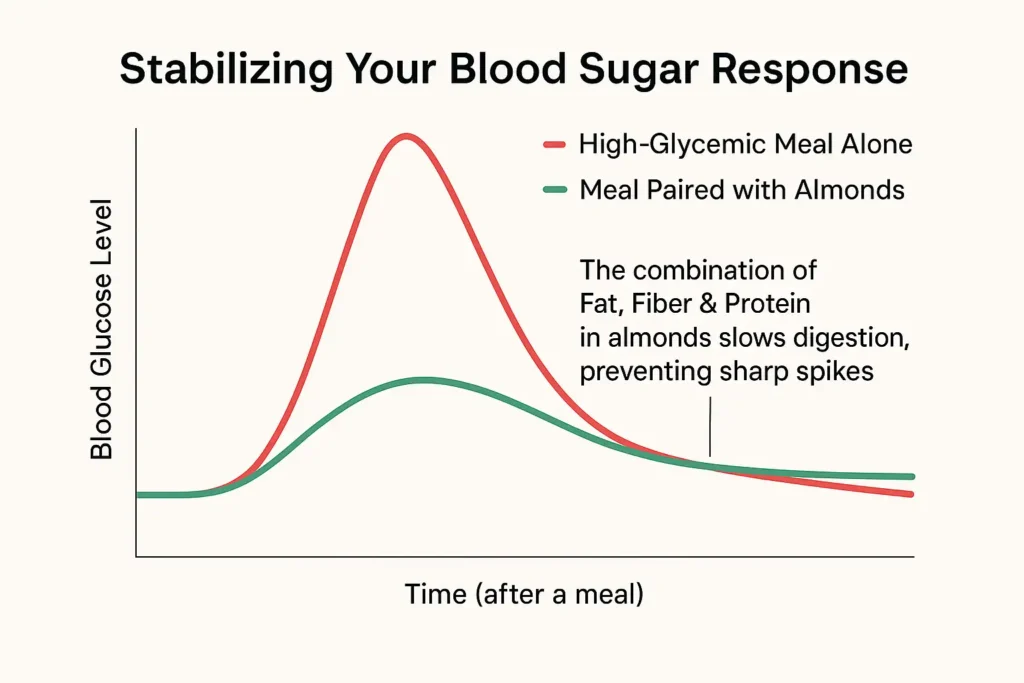
The health benefits of almonds are not based on folklore but on a solid foundation of clinical evidence. From managing weight through enhanced satiety and reduced calorie absorption to fortifying heart health, providing robust antioxidant defense, and promoting stable blood sugar, incorporating a handful of almonds into your daily diet is a simple yet powerful step toward long-term wellness.
Top Evidence-Based Health Benefits of Almonds
The compelling nutritional profile of almonds translates directly into tangible, scientifically studied health advantages. Moving beyond mere correlation, a growing body of clinical research reveals the specific mechanisms through which regular almond consumption contributes to overall well-being. Here is a critical analysis of the most significant, evidence-based benefits.
1. Supports Sustainable Weight Management
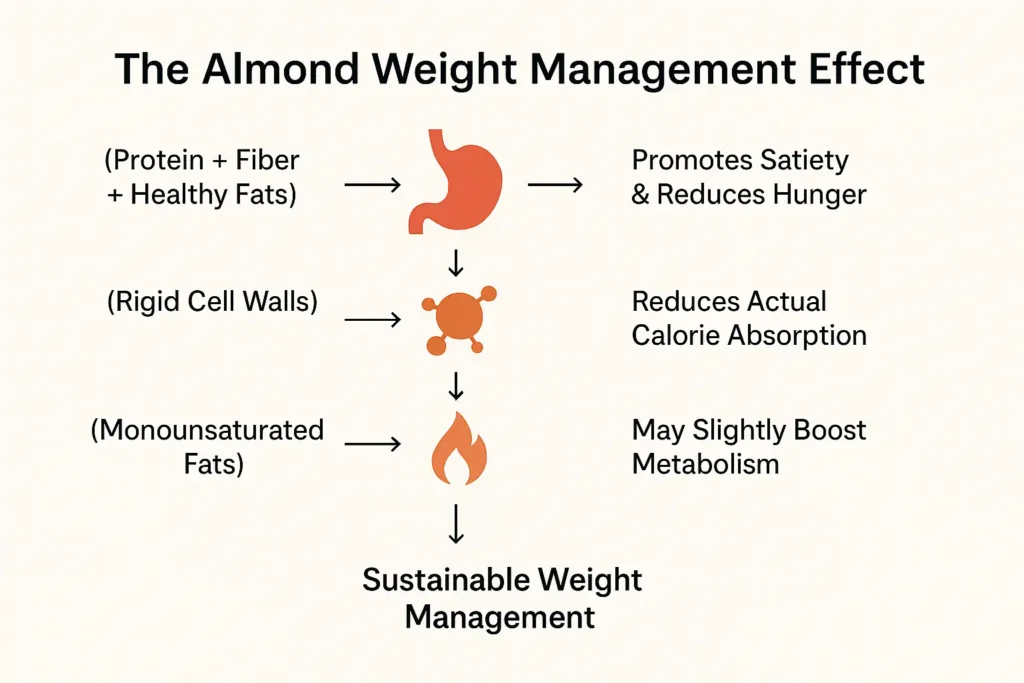
The notion that a calorie-dense food can aid weight management may seem counterintuitive, but almonds defy this logic through several validated physiological mechanisms. Research indicates that the unique structure and composition of almonds contribute to weight control in a synergistic manner, making them a strategic food for those seeking satiety and energy balance.
Key Mechanisms:
- Enhanced Satiety and Reduced Subsequent Intake: The powerful combination of dietary components in a one-ounce serving—including 6 grams of plant-based protein, 3.5 grams of dietary fiber, and 14 grams of healthy fats—creates a potent satiety signal. Protein and fiber are known to slow gastric emptying and influence the release of gut hormones like peptide YY (PYY) and glucagon-like peptide-1 (GLP-1), which promote feelings of fullness. A study published in the European Journal of Clinical Nutrition provided objective evidence for this, finding that participants who consumed almonds as a mid-morning snack reported significantly reduced hunger and voluntarily consumed fewer calories from other foods throughout the day compared to those who consumed a high-carbohydrate snack of equal calories.
- Inefficient Calorie Absorption: A critical factor often overlooked is that the measured calories on a label do not equate to calories absorbed. Almonds have a rigid cellular structure that encapsulates a portion of their lipids, preventing them from being fully accessed by digestive enzymes. A landmark study led by Dr. Janet Novotny and published in The American Journal of Clinical Nutrition used rigorous methodology to demonstrate this. The research found that the metabolizable energy—the energy actually absorbed and used by the body—from almonds is approximately 20-25% less than the value calculated using standard Atwater factors. This means a one-ounce serving labeled at about 160-170 calories may effectively provide only 120-130 metabolizable calories.
- Modest Metabolic Boost: Emerging evidence suggests that the specific nutrient profile of almonds, particularly their monounsaturated fat content, may have a slight thermogenic effect. This means the body may expend a small but significant amount of energy to process these nutrients. While the effect is more subtle than the others, it contributes to the overall favorable impact on energy balance, meaning your body may burn marginally more calories at rest digesting almonds compared to processed snacks.
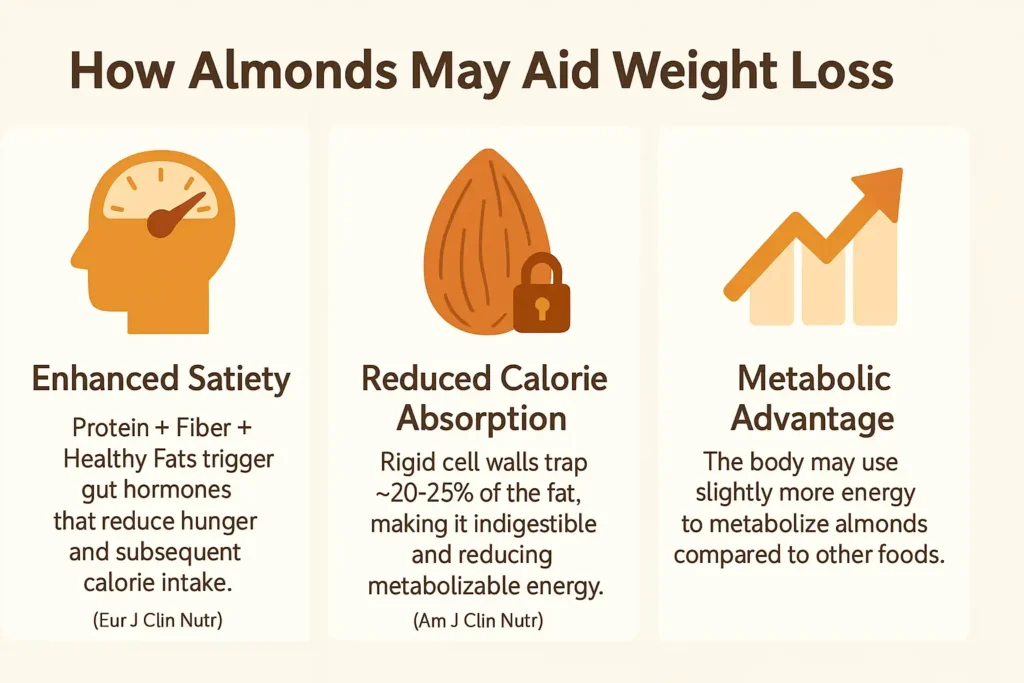
The weight management benefits of almonds are not a single miracle effect but the result of a convergent strategy: they powerfully curb appetite, a portion of their calories simply pass through the body unused, and they may slightly elevate metabolism. This multi-faceted approach makes them a highly effective and sustainable component of a weight-conscious diet.
How to Incorporate Almonds into Your Diet
Understanding the robust almonds nutrition facts and health benefits is the first step; the next is practical integration. Integrating almonds into your daily eating pattern is a simple yet powerful strategy to enhance the nutritional quality of your meals. The following evidence-based suggestions are designed to be accessible, versatile, and to leverage the unique properties of almonds in different culinary contexts.
1. Strategic Snacking: The Satiety Solution
Suggestion: Pre-portion raw or lightly roasted almonds into small containers (about 1 oz or 23 almonds) for a ready-to-eat snack.
- Why It Works: This practice directly leverages the satiety benefits of almonds. The combination of protein, fiber, and fat provides a stable energy release, preventing the blood sugar spikes and crashes associated with high-carbohydrate snacks. A study in the Journal of Nutrition and Metabolism found that consuming almonds as a snack helped modulate appetite and improved diet quality by displacing less nutritious options. Keeping them visible and pre-portioned encourages mindful consumption and helps avoid over-reliance on processed foods.
2. Breakfast Enhancement: Build a Balanced Start
Suggestion: Add a tablespoon of slivered or sliced almonds to oatmeal, yogurt, whole-grain cereal, or smoothie bowls.
- Why It Works: Many common breakfasts are carbohydrate-dominant. Adding almonds introduces a crucial source of healthy fats and protein, which slows the digestion of carbohydrates. This leads to a more gradual rise in blood glucose, providing sustained energy and mental focus throughout the morning. The magnesium in almonds further supports energy production pathways within cells.
3. Culinary Texture and Nutrition: The Crunch Factor
Suggestion: Use chopped or slivered almonds to add a satisfying crunch to salads, steamed or roasted vegetables, stir-fries, and grain bowls like quinoa or rice.
- Why It Works: Beyond texture, this practice nutritionally fortifies your meal. The fat-soluble vitamins (A, D, E, K) in your salad vegetables are better absorbed in the presence of dietary fat. The healthy fats in almonds act as a vehicle for this absorption, ensuring you get the maximum nutritional benefit from your entire meal. Furthermore, the antioxidant compounds in the almond skin, such as flavonoids, complement the phytonutrients found in colorful vegetables.
4. Intelligent Baking: A Nutrient-Dense Flour Alternative
Suggestion: Substitute a portion (25-50%) of all-purpose flour with almond flour in recipes for muffins, pancakes, and breads.
- Why It Works: Almond flour is not just gluten-free; it is a fundamentally different ingredient from grain flours. It is significantly lower in digestible carbohydrates and higher in protein, fat, and fiber. This substitution directly lowers the glycemic index of baked goods, making them more suitable for blood sugar management. According to data from the USDA, using almond flour also increases the content of micronutrients like Vitamin E and magnesium in the final product. It adds moisture and a rich, nutty flavor, enhancing the sensory experience while boosting nutritional value.
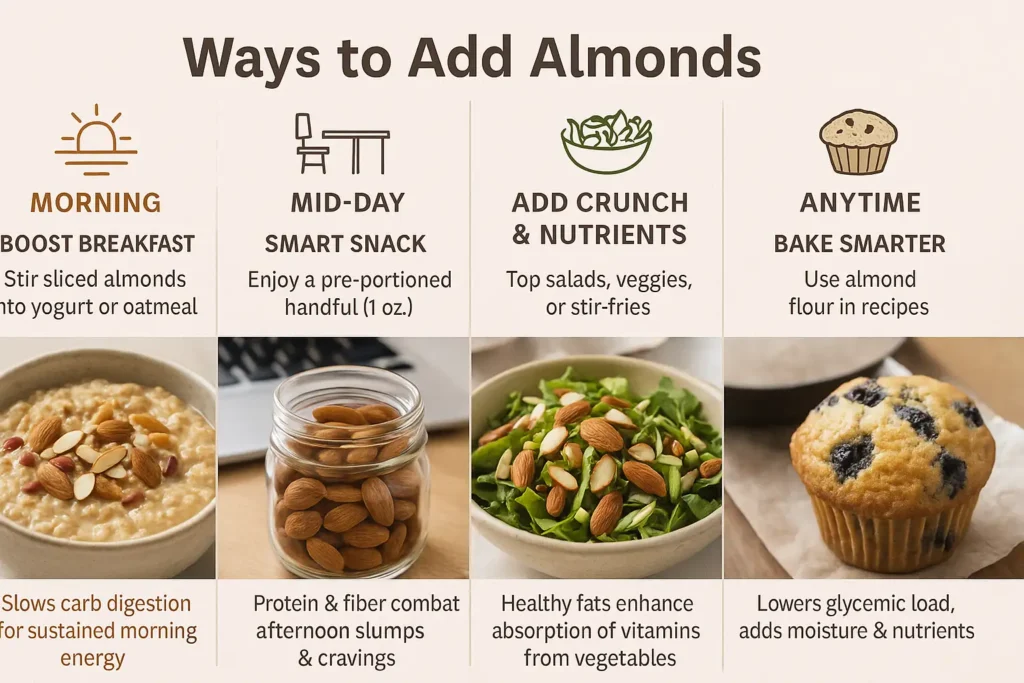
Moving almonds from the pantry shelf into your regular meal rotation is a straightforward process with compounding benefits. By strategically using them as a snack, a topping, or a flour alternative, you actively leverage their unique nutritional profile to improve satiety, stabilize energy, and enhance the overall nutrient density of your diet.
FAQ
Navigating the wealth of information about almonds can lead to common questions. This FAQ section addresses some of the most frequent queries with clear, science-backed answers to help you make informed dietary choices.
Q1: How many almonds should I eat per day for optimal health benefits?
A: For most adults, a daily serving of one ounce, which is approximately 23 almonds or a small handful, is recommended by dietary guidelines like those from the USDA. This portion provides a significant amount of essential nutrients without excessive calorie intake. Consuming this amount regularly has been linked in studies to the positive health outcomes for heart health and weight management. As with any food, moderation is key, and it’s best to incorporate them into a balanced diet.
Q2: Can eating almonds really help with weight loss, even though they are high in calories?
A: Yes, numerous studies support this. While calorie-dense, almonds promote satiety due to their protein, fiber, and fat content, which can help you feel full and eat less overall. Furthermore, research published in The American Journal of Clinical Nutrition has shown that due to their rigid cell structure, your body does not absorb about 20-25% of the fat in almonds, meaning the actual calories you metabolize are lower than the number on the label.
Q3: What is the difference between raw and roasted almonds? Which is healthier?
A: Both are excellent choices, and the nutritional differences are minimal. Raw almonds offer the most “natural” state. Dry-roasted almonds (roasted without oil) have a slightly enhanced flavor and crunch. The roasting process can cause a minimal reduction in certain heat-sensitive B vitamins, but the core nutrients—protein, fiber, Vitamin E, and fats—remain largely intact. The key is to avoid almonds roasted in unhealthy oils or with added sugar, salt, or excessive flavorings. Opt for raw, dry-roasted, or lightly salted versions.
Q4: I have heard about “activated” almonds. What are they, and are they better?
A: “Activated” almonds are raw almonds that have been soaked in water and then dehydrated at a low temperature. Proponents claim that this process deactivates enzyme inhibitors, making them easier to digest and increasing nutrient availability. While some people report better digestion, the scientific evidence supporting significant nutritional superiority is limited. For most people, standard raw or roasted almonds are a cost-effective and highly nutritious option.
Q5: Are almonds a good source of protein for vegetarians and vegans?
A: Absolutely. Almonds are a valuable plant-based protein source, providing 6 grams per ounce. While they are not a “complete protein” (containing all essential amino acids) on their own, they can be part of a varied diet that includes other protein sources like legumes and whole grains throughout the day to ensure you get all the essential amino acids your body needs.
Q6: Do almonds need to be refrigerated?
A: For long-term storage, yes. Due to their high unsaturated fat content, almonds can become rancid if exposed to heat, light, and air over time. Storing them in an airtight container in the refrigerator can significantly extend their freshness and prevent spoilage for up to two years. They can be kept in a cool, dark pantry for several months.
Q7: Are there any risks or downsides to eating almonds?
A: For the general population, almonds are very safe when consumed in moderation. However, there are two primary considerations:
- Allergies: Almonds are a tree nut, a common allergen. Individuals with a tree nut allergy must avoid them.
- Portion Control: Because they are energy-dense, consistently eating large portions far beyond the one-ounce serving could contribute to unwanted weight gain.
- Phytic Acid: Like other nuts and seeds, almonds contain phytic acid, which can bind to minerals and slightly reduce their absorption. However, this is not a concern for people following a balanced and varied diet.
Q8: Can people with diabetes safely eat almonds?
A: Yes, in fact, almonds are an excellent snack for people with diabetes. Their low carbohydrate content combined with healthy fats, fiber, and protein helps to slow the absorption of sugar into the bloodstream, preventing sharp spikes in blood glucose. Several studies, including one in the journal Metabolism, have found that incorporating almonds into a diet can improve glycemic control in individuals with type 2 diabetes.
The Final Word: Enjoying Almonds Responsibly
The comprehensive almonds nutrition facts and health benefits make a compelling case for making them a daily habit. From empowering your heart to stabilizing your energy, this nut delivers.
As with any nutrient-dense food, moderation is key. A one-ounce serving daily is a perfect target. While the scientific evidence is strong, it’s always wise to incorporate almonds as part of a varied and balanced diet. Consult with a healthcare provider for personalized advice, especially if you have specific health conditions.
Resssources
Sources:
- USDA Dietary Guidelines.
- The American Journal of Clinical Nutrition. (2012). “Discrepancy between the Atwater factor predicted and empirically measured energy values of almonds.”
- Journal of the Academy of Nutrition and Dietetics. (2014). “Effect of almond consumption on vascular function in patients with coronary artery disease.”
- Metabolism. (2011). “Almond consumption and glycemic control in patients with type 2 diabetes.”
About the author
Max Wild is a health writer and researcher focused on cancer awareness, prevention, and patient education. He translates complex medical topics into simple, practical guidance so readers can have more informed conversations with their doctors.